
Seal Floor
Softline
The rubber surfacing system built for splash pads, pool decks, and water-play environments.
Need support writing specs? We can help from design through installation
Built for Splash
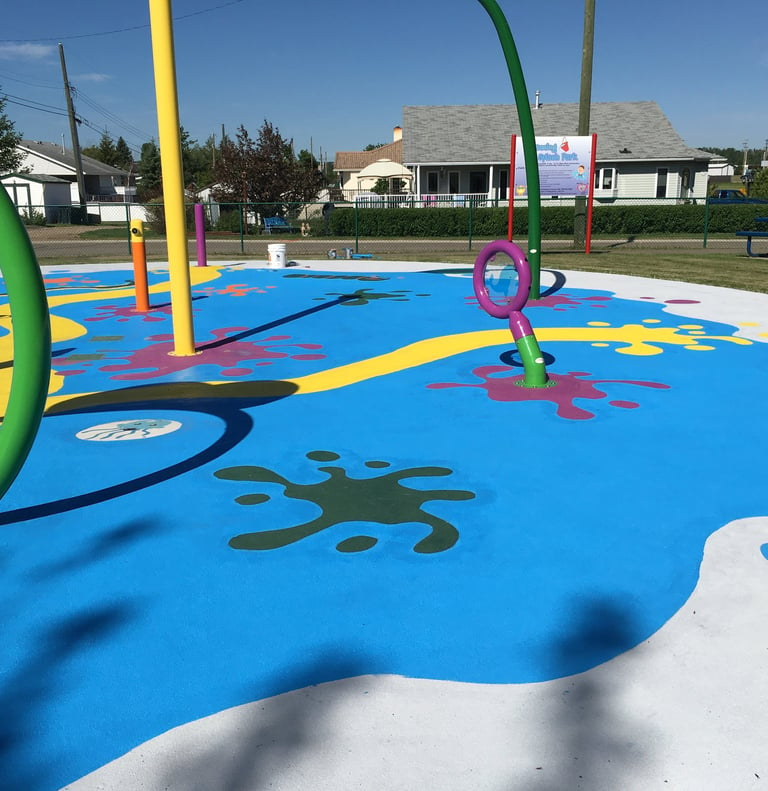
Water changes everything about how a surface needs to perform. Seal Floor is Softline’s rubber surfacing system for aquatic and wet-area environments where water needs to move across the surface, not through it.
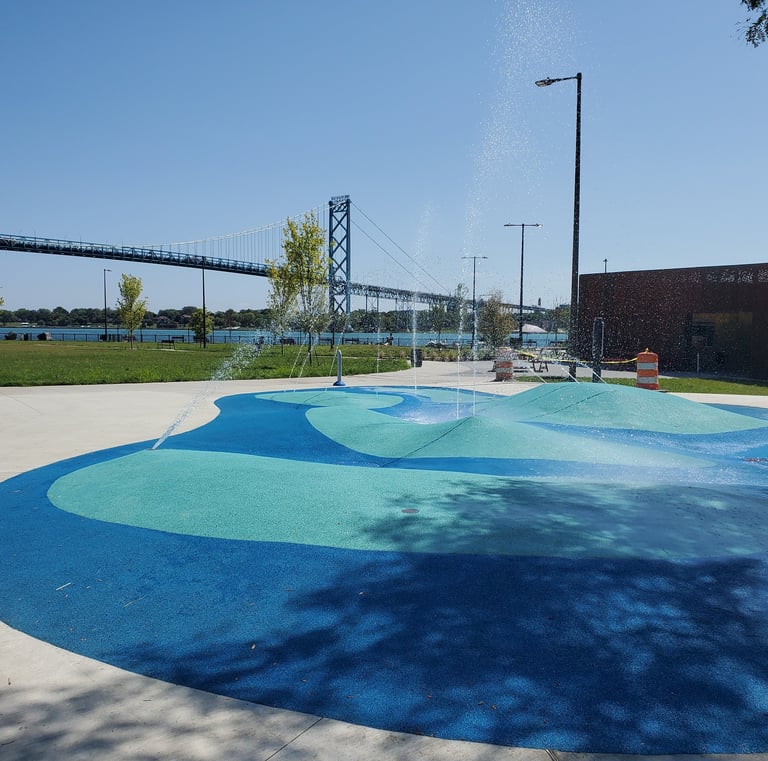
Designed for splash pads, pool decks, and water-play areas, Seal Floor combines the comfort and design flexibility of rubber surfacing with a sealed, non-permeable finish that fits the demands of aquatic spaces.
Best for
Benefit
purpose-built water-area surfacing with design flexibility and a softer, more finished feel than plain concrete
splash pads, pool decks, aquatic play areas, and wet recreation zones
Why Seal Floor stands out
Built specifically for water environments
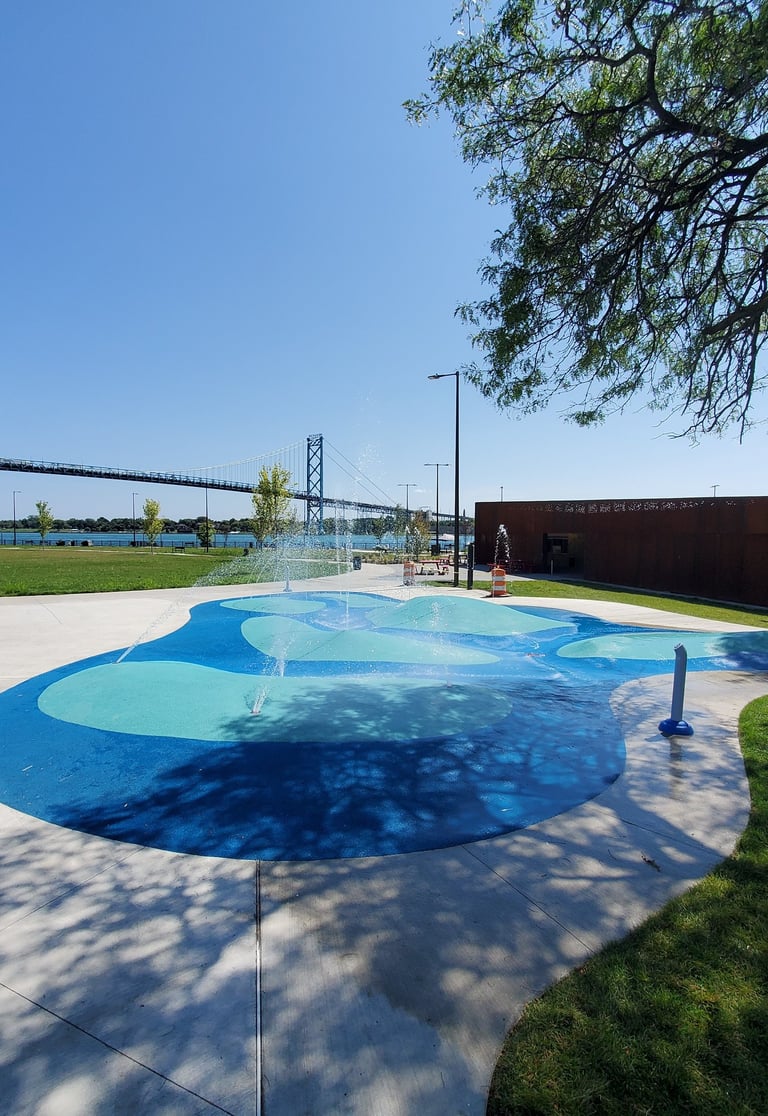
Unlike permeable rubber systems, Seal Floor is sealed so water does not pass through it. Instead, water flows across the surface based on the slope and drainage design of the area.
That makes it a much better fit for aquatic environments where water management is happening at the surface.
Designed for splash pads and poolside spaces
Seal Floor gives project teams a specialized surface for water-play areas where a standard porous rubber system would be the wrong solution.
Slip Resistance and accessibility
Built for the realities of wet environments, Seal Floor is designed with splash pads and pool decks in mind. A textured finish provides traction in wet conditions to reduce slip risk, and the surface stands up to routine cleaning, pressure washing, and pool chemistry exposure season after season.
More design freedom than concrete alone
Because it is rubber-based, Seal Floor can support:
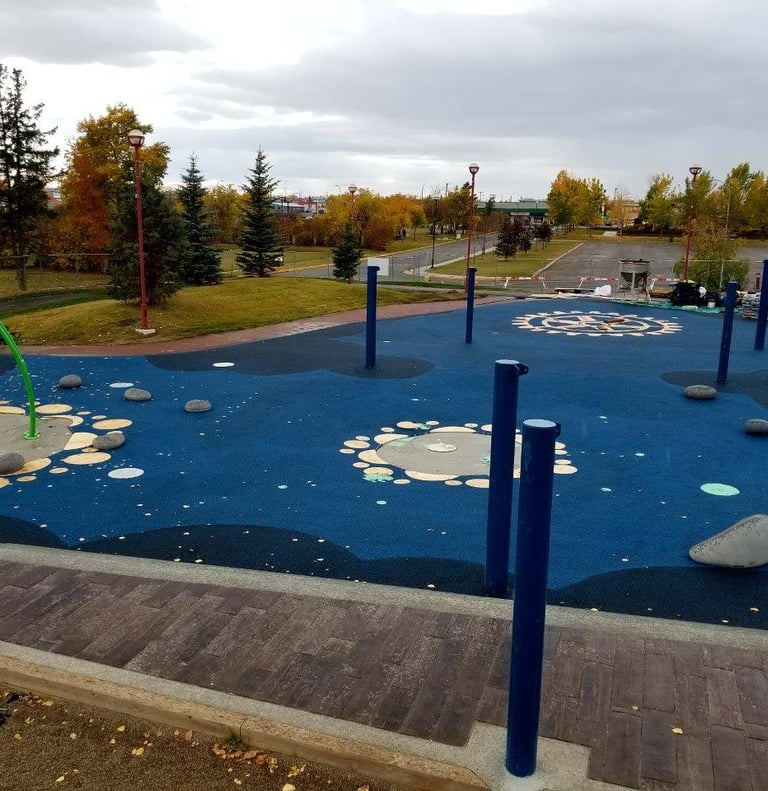
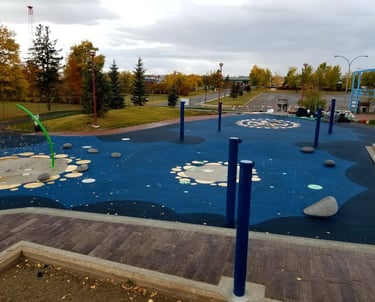
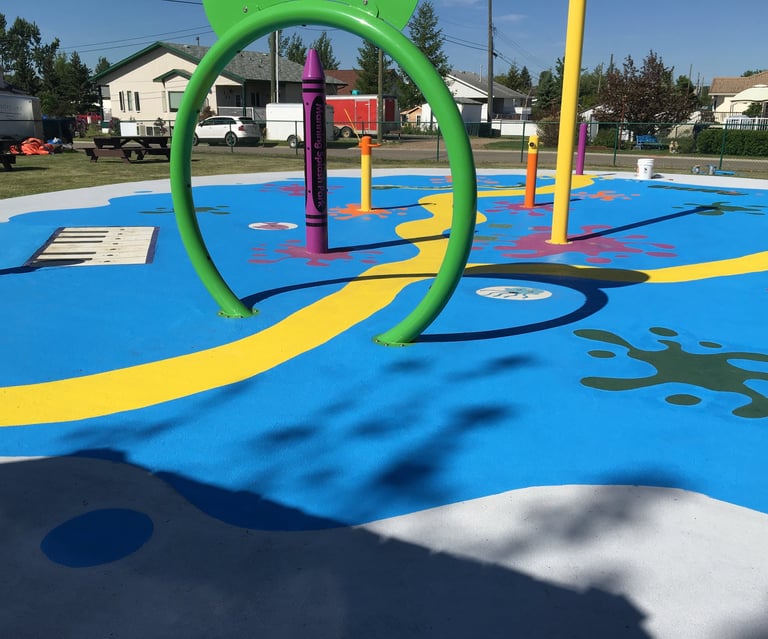
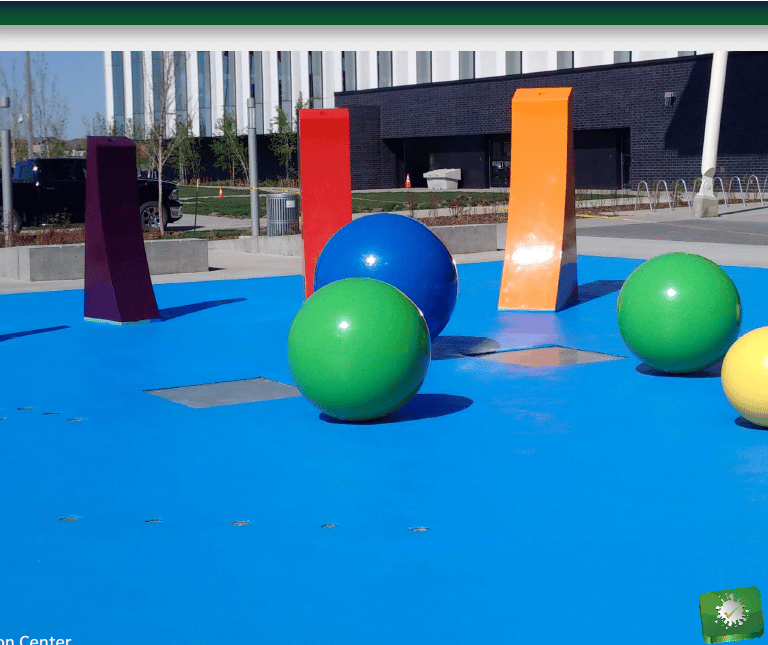
custom color zones
patterned layouts
sculpted forms
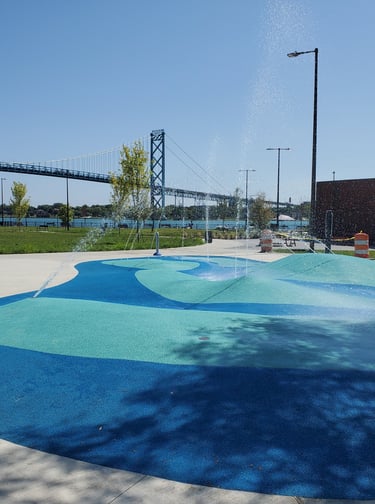
playful surface shapes and mounds
That helps teams create aquatic spaces that feel more intentional, engaging, and visually finished.
What makes Seal Floor different
The key difference is simple:
permeable systems let water move through the surface
Seal Floor is non-permeable, so water moves across the top
That means slope design, drainage planning, and installation quality are all central to long-term success.
How the system works
Seal Floor is installed as a single-layer rubber surfacing system over concrete, then finished with a clear seal coat that prevents water from entering the surface.
In some new-build applications, it can also be installed over a granular base as a two-layer system, with:
a leveling layer below
a sealed finish layer above
That gives project teams some flexibility depending on budget, project design, and base construction strategy.
Why Seal Floor is a smart commercial option
Seal Floor lets project teams create aquatic environments that are more visually engaging and more comfortable than plain concrete while still respecting the way water needs to behave on the surface.
For splash pad and pool-adjacent projects, that is a meaningful design and performance advantage.
Build a better
water-play surface
If your project includes a splash pad, pool deck, or water-play area, Seal Floor gives you a more intentional surfacing solution than trying to force the wrong system into the wrong environment.